

My daughter called me from Japan the other day. She was taking a well-deserved break from her sales job. It was great to hear from her. While she sounded a little homesick, she was having a great time.
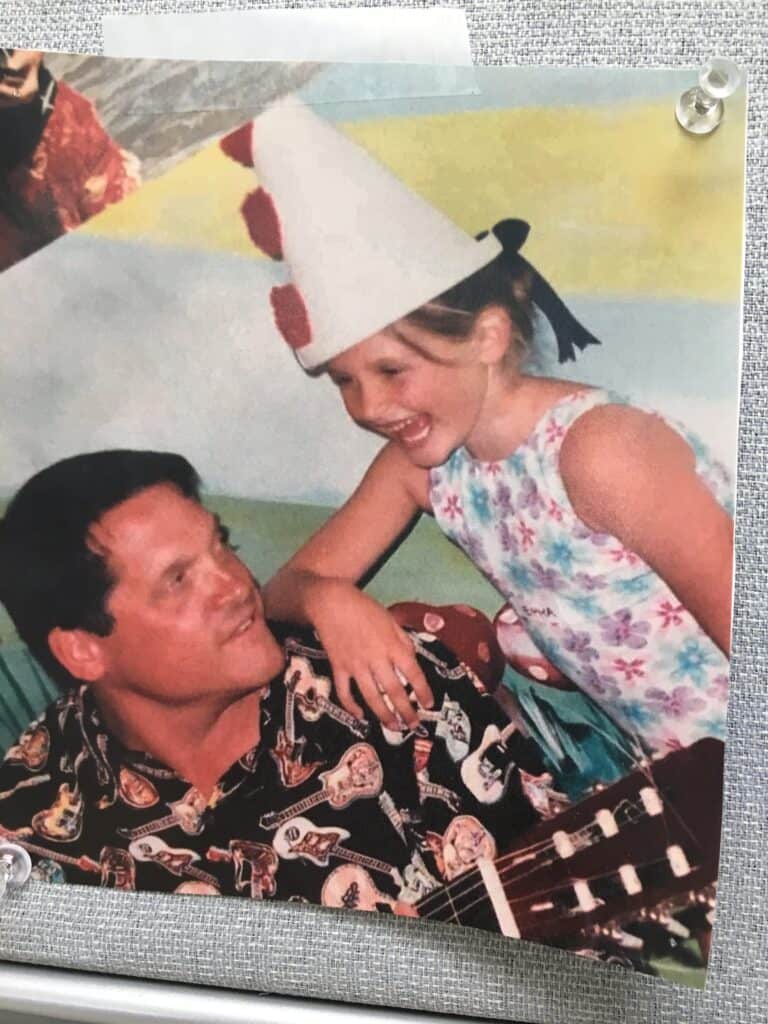
Emma is 29. She is great at complex tech sales. Willy is 32, works in archaeology, and travels throughout California conducting site surveys and uncovering the Native American past that is often buried or overgrown – literally and figuratively.
While their careers could not be further apart, they face the daunting challenges our society presents today, but the challenges have to do with the basics – Housing, a rapidly shifting job market, and a dwindling number of affordable happy hours.

When I started out, life was tough but predictable. Housing was more than just a dream, and the job market did not keep changing the rules while people learned the game.
Entry-level and mid-level jobs keep disappearing, or companies rewrite them before people can grow into them. Someone who graduated from college in 2020 came out during COVID, got traction, and now some of the jobs they aimed for have changed, shrunk, or vanished.
I graduated with a degree in English and Economics – a perfect background for Commercial Real Estate. If you have been in the business a while, CRE is a great place to be, as long as you are adaptable. To tell you the truth, I am not sure I would be looking at commercial real estate if I were just getting started in the business world. I might be more inclined to pursue a trade, such as HVAC repair. How I wish I specialized in sprinkler repair because I just paid a guy $400 to fix my sprinkler system. I bet the work will take 2 hours max. I will gladly pay it.
The new world favors people who can “prompt”, gig, start companies, take risks, or work in the trades. White collars have yellowed. That leaves a lot of people trying to find work, pay rent, and avoid becoming obsolete.
California Housing – Supply, Demand, and Affordability
I missed the presentation, but I checked out Michael Falk’s (Sacramento Association of Realtors) slide deck on “California Real Estate From a Global Perspective.” The world still wants California, but California has not built enough housing for the people already here, and we have made it too hard to build more. Thankfully, legislation has been passed that streamlines the development of high-density housing. For example, the Sacramento City Council just approved a six-story project at 324 Alhambra. The legislation eliminated a lot of red tape, and I am sure many developers might be inspired.
California real estate has become a dividing line. The ultra-wealthy can use it to preserve capital. Homeowners have some shelter from inflation. Over half of the population have no shot, and the percentage of foreign buyers grows.
How about A Tax Increase?
This may rub a few the wrong way, but I will throw it out there. Why not tax foreign buyers when they purchase residential real estate in California? Not Californians. Never the shrinking middle class. Not the people just trying to get by.
If someone from another country wants to buy a home here or invest in multifamily, why not charge a transfer tax? Make it 25%. Maybe more. I recall learning about the Elasticity of Demand. If a wealthy foreign buyer wants a house in Pebble Beach, Palo Alto, or La Jolla, I think they will buy it even with a tax because the asset still does what they want it to do: preserve capital and provide a foothold in California.
There is another side to this. If foreign entities want to invest in affordable housing, workforce housing, infrastructure, or projects that create new supply in California, we should welcome that capital and provide incentives. Tax the demand that competes for our housing and reward the capital that helps build more homes. That seems like a better trade.
Use the tax money for housing supply, infrastructure, first-time buyer assistance, or whatever helps people who live and work here. I do not blame people from other countries for wanting California. Why wouldn’t they? The weather, the economy, the coast, and the idea of the place – California still has pull.
Taxing foreign buyers would be just a piece of a bigger solution that includes affordable development incentives, streamlined development with less hurtles, and different construction processes like manufactured housing.
Emma didn’t call from Japan to make a policy argument, but the conversation got me thinking. My kids shift my perspective regularly. They are working hard and adapting. But the ground under them is not as steady as it was for many of us, and pretending otherwise does not help them.