
If there is one property type that has quietly dominated commercial real estate over the past decade, it is industrial.
Warehouses, distribution buildings, logistics facilities, contractor yards, flex buildings, last-mile delivery space, and light manufacturing buildings have become the backbone of modern commerce. They may not have marble lobbies, rooftop decks, or coffee bars with names that sound like Swedish furniture, but they are where the work gets done.
Why Sacramento Industrial Continues to Grow
Sacramento is well-positioned for industrial demand because the region sits at a practical crossroads. We connect the Bay Area, Central Valley, Reno, Northern California, and the Pacific Northwest through major transportation corridors, while still offering lower occupancy costs than the Bay Area. For many companies, that combination matters. They need access to customers, employees, suppliers, highways, and distribution routes, but they do not necessarily need to pay Silicon Valley prices to store inventory, service vehicles, or move product.
The rise of e-commerce accelerated the demand, but the industrial story is bigger than online shopping. Every product that shows up at your door has to be stored, sorted, staged, packaged, repaired, assembled, or delivered from somewhere. Those functions do not happen in the cloud. They happen in industrial buildings, often in places that most people drive past without giving them a second thought.
That is part of the beauty of industrial real estate. It is not always glamorous, but it is essential.
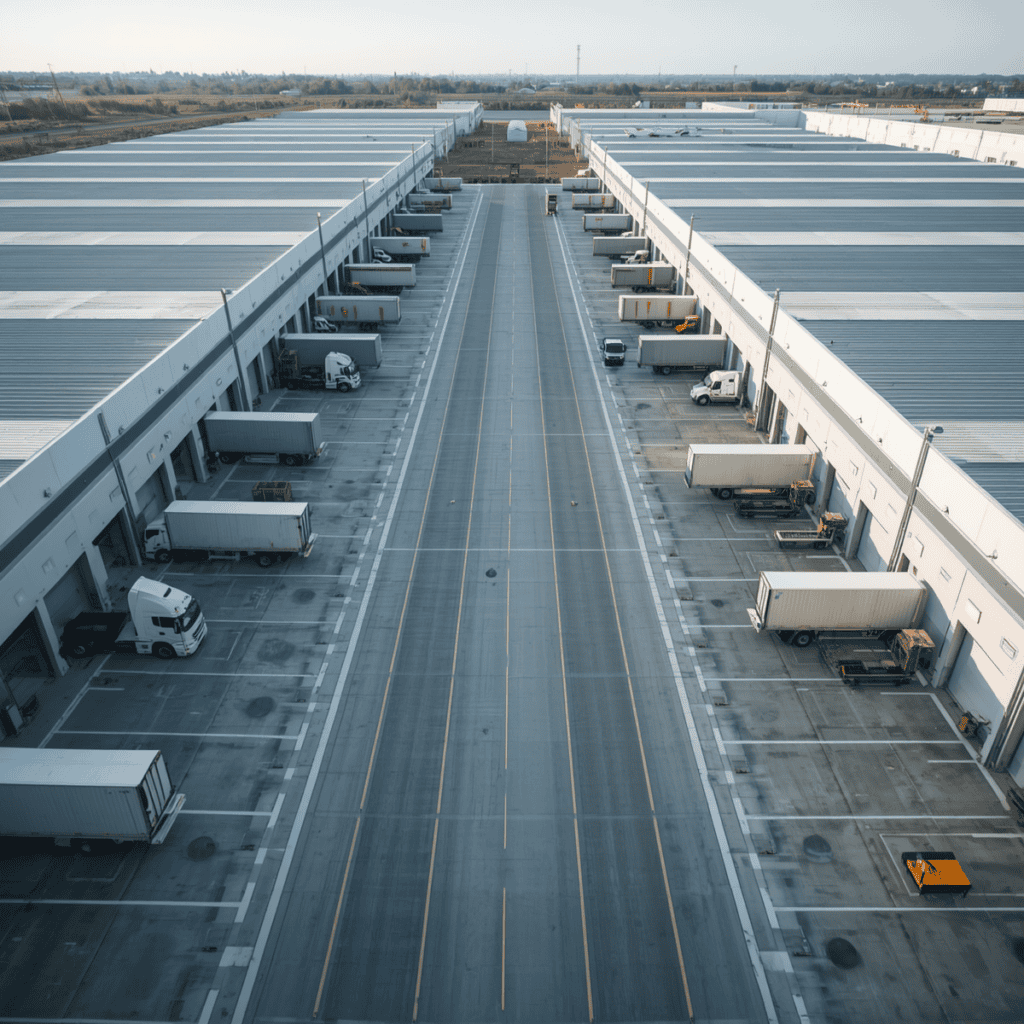
Sacramento industrial buildings serve a wide range of users: contractors, distributors, food-related businesses, building suppliers, automotive companies, logistics firms, medical suppliers, service companies, light manufacturers, and regional operators that need functional space at a reasonable cost. The best buildings tend to offer clear height, dock-high or grade-level loading, good truck access, adequate power, yard area, parking, and quick access to freeways. Those details may not sound exciting at a cocktail party, but they can make or break the value of the property.
What Investors Look for in Industrial Properties
Investors have noticed. Industrial properties often attract strong buyer interest because the demand is broad, the buildings are relatively straightforward, and the tenant improvements are often less complicated than office or retail. A good warehouse does not need a meditation room or imported tile in the lobby. It needs to function. If the building works for the tenant’s operation, that alone can create real value.
Of course, not every industrial property is equal. Clear height matters. Loading matters. Site circulation matters. Sprinklers matter. Power matters. Yard area matters. Environmental history matters. Zoning matters. A building that looks simple from the street can become complicated quickly once a buyer starts looking under the hood.
That is where experience helps. The value of an industrial property is not just based on square footage and rent. It is based on utility. Can trucks get in and out? Store materials outside? Can the building support the user’s power needs? Is the property functional for today’s market, or is it an old building trying to compete with newer product that has better clear height, better loading, and fewer headaches?
Sacramento’s industrial market has benefited from steady regional growth, Bay Area cost pressure, and the continued need for distribution and service space. Vacancy in many industrial submarkets has remained relatively tight compared to other property types, and well-located functional buildings continue to draw attention from both tenants and buyers.
A warehouse may not win an architecture award, but if it has the right access, the right layout, the right loading, and the right location, it can be one of the most durable assets in commercial real estate.
Bacon Digs and Delivers.
If you’re exploring Sacramento industrial real estate opportunities, or considering selling an industrial property, call Bacon at (916) 761-1202.