
Recent land sales in Sacramento’s Central City tell an interesting story, but the story is not quite as simple as saying land values are down. They are down, at least compared to many of the sales we saw from 2021 through 2024. But as usual in commercial real estate, the price per square foot only gets you part of the way there. The real answer is in the details, and with land sales, the details matter a lot.
From 2021 through 2024, Central City land comps were often trading at much stronger numbers. Several sales were well over $150 per square foot, and some pushed above $200 per square foot. That made sense at the time. Capital was more aggressive, apartment development still had momentum, and buyers were more willing to pay for future density, future rent growth, and future value creation.
Recent Central City Land Sales Look Different
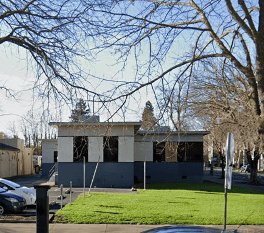
At 1025 19th Street, the property sold for $3,600,000, or approximately$124.51 per square foot. That is still a respectable number for a smaller Midtown site, and it shows that well-located infill land continues to have value.
The larger sales, however, show how much the market has changed.
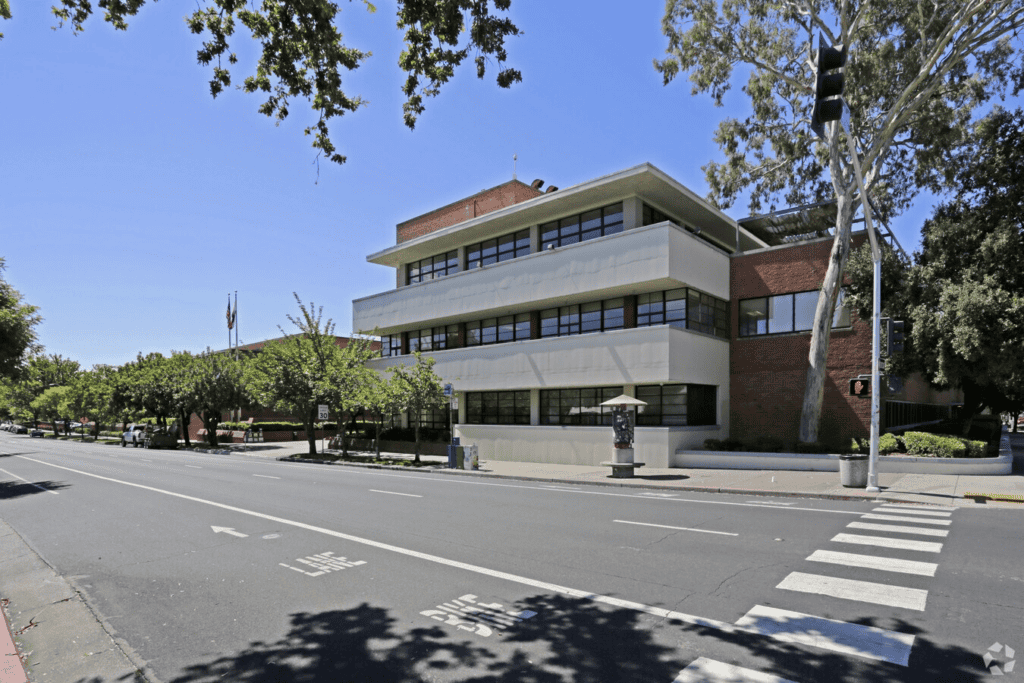
2100 Q Street sold for $18,500,000, or approximately $67.63 per square foot. On paper, that number looks low compared with the stronger Central City land sales from the prior cycle. But this was not just a simple raw land sale. The seller had already handled entitlements for 61 multifamily units and 63 single-family units. The seller also paid for the demolition of the former office headquarters building and the large printing facility, which included approximately 150,000 square feet of headquarters space and a 240,000 square foot printing facility, with a portion of the improvements reportedly extending roughly 20 feet below grade.
Why Entitlements and Demolition Matter
That is a major distinction. Demolition of that scale is not a rounding error. It is expensive, complicated, and full of risk. A buyer stepping into a cleared, entitled site is in a very different position than a buyer taking on obsolete buildings, underground improvements, unknown demolition costs, entitlement risk, environmental questions, and years of uncertainty.
So while the price per square foot looks low, the net to the seller was lower still. The seller removed a tremendous amount of risk before the buyer closed.
The same is true, although on a smaller scale, at 1801 21st Street. That site sold for $9,860,000, or approximately $80.84 per square foot. The seller had entitled the site for 48 townhomes and had started final engineering associated with a condominium map, which was later completed by the buyer. The estimated contributory value of that entitlement and engineering work was reportedly somewhere in the range of $500,000 to $1,000,000.
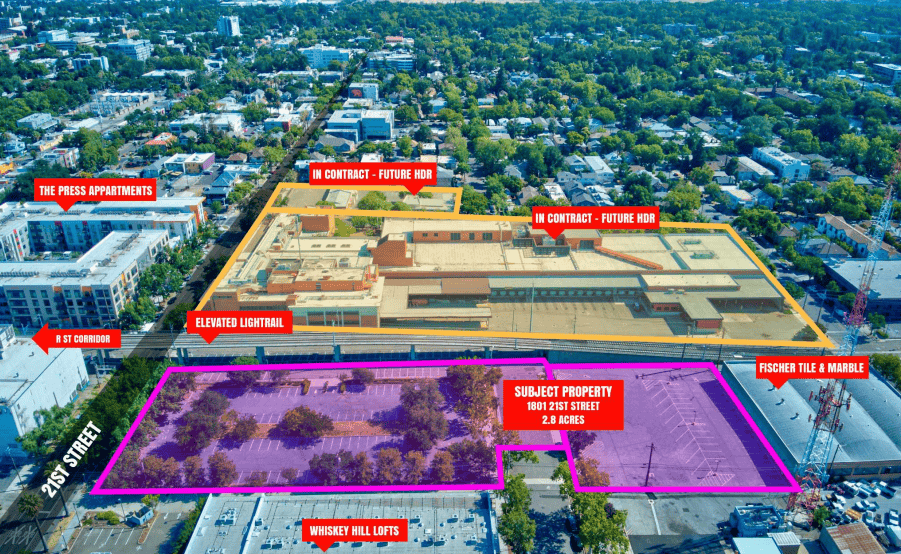
Again, that means the sale price is not just a raw dirt number. Part of the price reflects work already completed, time already saved, and risk already reduced.
Today’s Buyers Are Underwriting Risk Differently
That is where a straight price-per-square-foot comparison can get misleading. A site with completed entitlements is not the same as a site where the buyer still has to fight through the approval process. A cleared site is not the same as a site with major demolition ahead. A property with final engineering underway is not the same as a property where the buyer is starting with a blank sheet of paper and a prayer.
The broader point is that the Central City land market has clearly reset. Buyers are not underwriting the way they were in 2021 and 2022. Interest rates are higher. Construction costs remain stubborn. Insurance is harder. Equity is more selective. Lenders are more cautious. Developers are no longer asking only what they can build. They are asking whether the project actually pencils. That question changes everything.
When money was cheap and rents were moving, buyers could justify paying aggressive land prices for future potential. Today, future potential is not enough. Buyers are pricing the actual risk between closing escrow and starting construction. That includes entitlement timing, demolition, infrastructure, engineering, financing, carrying costs, and the very real possibility that a project can look good on paper and still not work in the real world.
Sacramento Central City Land Still Has Long-Term Value
The same real estate can have very different values depending on who the buyer is, what they plan to do with it, what condition the property is in, and what the capital markets look like at that moment. An owner-user may see operational value. A developer sees residual land value after construction costs, financing costs, entitlement costs, demolition, infrastructure, carrying costs, and profit.
Sacramento Central City land still has real value. The locations are strong, the long-term need for housing remains, and infill sites near jobs, transit, restaurants, and amenities are not going out of style. But buyers are being far more disciplined. They are not paying premium prices just because a site has a good story. They want a clearer path. They want entitlements. They want demolition handled. They want engineering advanced. They want fewer surprises. And if those things are not in place, they want a significant discount.
Bacon Digs and Delivers.
If you are evaluating a Sacramento infill site, land sale, redevelopment property, or entitlement strategy, call Bacon at (916) 761-1202.