

Sacramento Commercial Real Estate: Not Flashy, Just Functional
The markets that dominate the headlines are often the same markets that experience the biggest mood swings. They boom loudly, attract a flood of capital, get overbuilt, become too expensive, and then correct just as loudly. There is always a new “hot” market, and there is always someone willing to explain why this time is different, which is usually a good time to start checking the exits.
Sacramento is not immune to cycles. No market is. We have had our share of overbuilding, slow leasing periods, financing challenges, and moments when everyone suddenly becomes an expert in “price discovery.” But Sacramento has a steadier foundation than many people appreciate.
Why Sacramento Has Staying Power
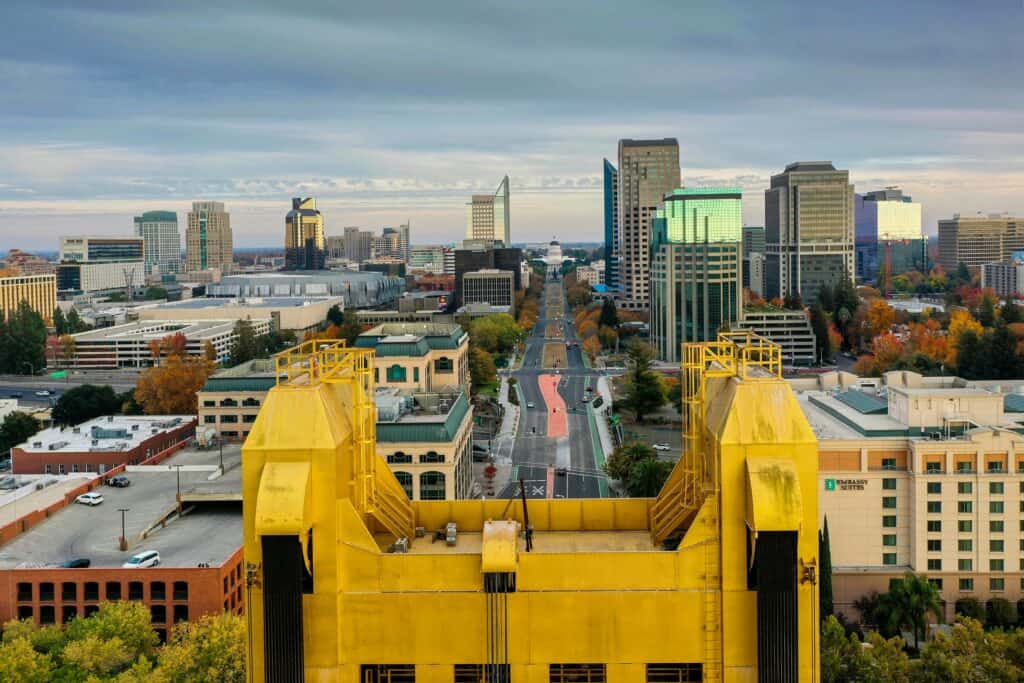
Government employment provides a durable base. The State of California is not moving its headquarters to Austin, Nashville, or Scottsdale because somebody built a cooler food hall. That employment base supports office demand, housing demand, restaurants, services, medical users, and the daily commerce that keeps a regional economy functioning.
Another factor to watch is the State of California’s return-to-office policy. As of now, most state employees are scheduled to return to the office at least four days per week beginning July 1, 2026, following the postponement of the prior mandate. That could have a meaningful impact on downtown Sacramento, office occupancy, parking, restaurants, coffee shops, service businesses, and the broader daytime economy. But it is worth adding the obvious caveat: this is the State of California, and the policy has already been delayed once. Until people are back in their offices, let’s treat the July date as important but not guaranteed.
Population Growth Continues to Drive Demand
Population growth has also supported the market over time. Sacramento continues to attract people from more expensive parts of California who are looking for relative affordability, a better quality of life, and a region where they can still access jobs, schools, healthcare, outdoor recreation, and a real metropolitan economy without needing to sell a kidney to park the car.
That growth supports retail and service businesses. It helps drive demand for medical office, childcare, fitness, restaurants, neighborhood services, and all the other uses that follow rooftops. People need places to live, but they also need places to buy coffee, get their teeth cleaned, take the dog to the vet, work out, pick up dinner, and complain about traffic like proper Californians.
Location, Logistics, and Long-Term Value
Sacramento’s location also matters. We sit at the intersection of Northern California’s population base, state government, agriculture, distribution routes, and regional logistics. That has helped support industrial development and warehouse demand, especially as companies look for more cost-effective ways to serve Northern California without paying Bay Area pricing.
In commercial real estate, consistency can be an advantage. A market does not need to be glamorous to perform. In fact, glamour can be expensive. Investors may chase the exciting markets when capital is loose and everyone is feeling brilliant, but over time, many come back to the places where the math still works.
Sacramento has quietly been one of those markets for a long time. It is not perfect. It is not always easy. And it will not fit every investment strategy. But for owners, tenants, developers, and investors who understand the submarkets, Sacramento continues to offer opportunity, stability, and relative value.
Bacon Digs and Delivers.
Markets that stay steady are often the ones that perform best over time. If you want to understand where Sacramento fits into your commercial real estate strategy, call Bacon at (916) 761-1202.