
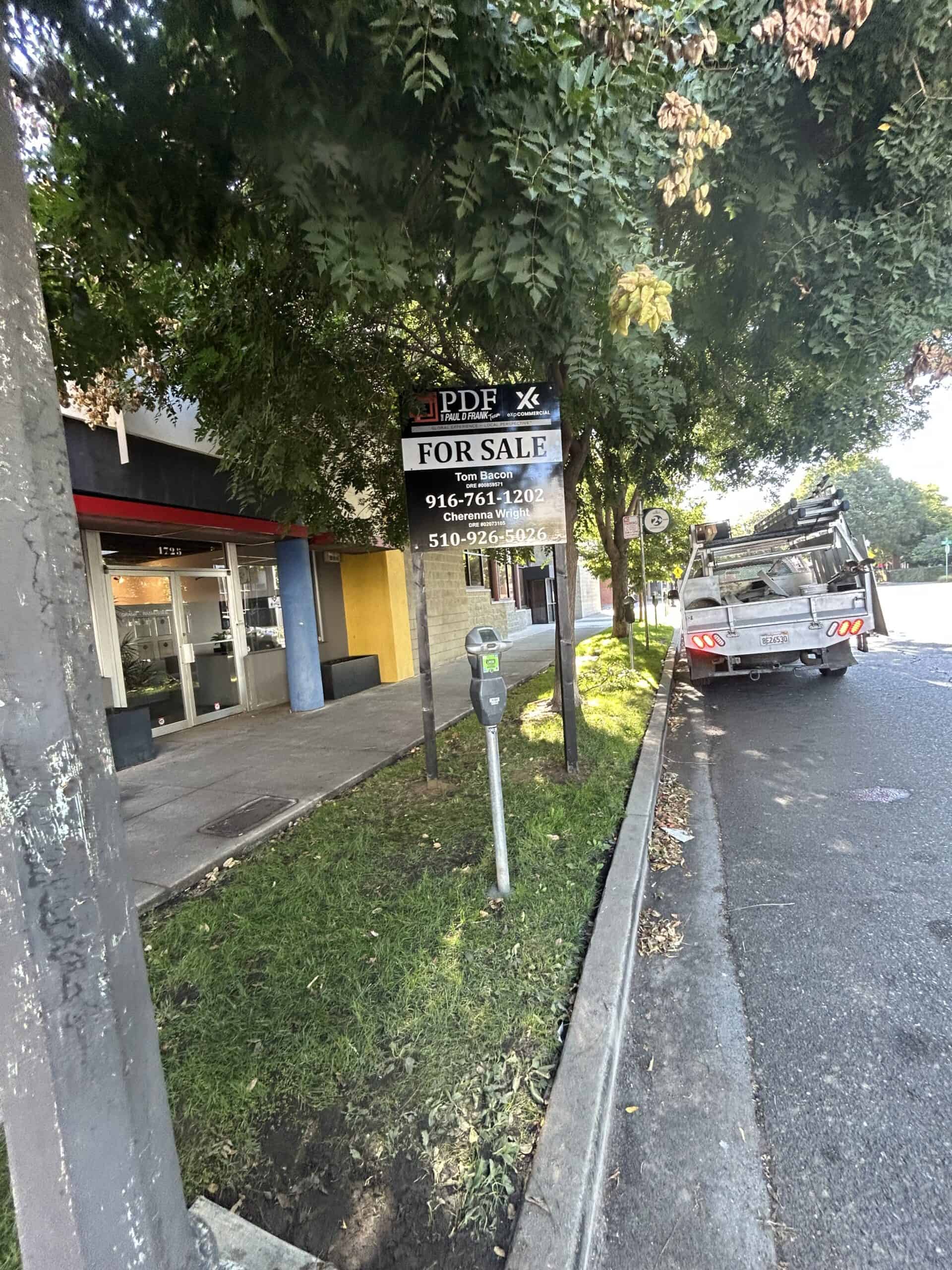
At some point, many commercial property owners reach a crossroads. Their building has been owned for years. Loan is paid down, or close to it. The tenants are stable enough. The property has appreciated, and the rent checks keep coming in. Then the question starts to surface: Do I keep leasing this property, or is it time to sell and redeploy the capital?
There is no universal answer, which is what makes the decision difficult. Keeping the property can make a lot of sense. A well-located commercial building can provide long-term income, appreciation, tax advantages, and a sense of security. For some commercial property owners, the property is part of the family balance sheet. It may have been purchased years ago, survived a few recessions, and now feels like an old friend that sends checks. Not bad, as old friends go.
Why Some Owners Decide to Sell
But selling can also make sense. A sale can unlock equity, reduce management headaches, eliminate future leasing risk, and create liquidity for other investments, estate planning, retirement, business expansion, or simply a different chapter of life. Sometimes the property has done its job. It created wealth, provided income, appreciated over time, and now the question is whether that equity could be working harder somewhere else.
The mistake is assuming there is one “right” answer. There isn’t. The right answer depends on the owner’s goals, property’s condition, tenant profile, lease terms, current market, interest rates, tax considerations, and what the owner wants life to look like over the next five to ten years.

Some owners want a steady income. Some want liquidity. Some are tired of managing tenants, repairs, insurance, taxes, roof leaks, HVAC calls, and the occasional tenant who thinks “common area maintenance” is a philosophical suggestion. Others still love owning the real estate and want to keep building long-term wealth through rents and appreciation.
Good Advice Starts with Understanding the Goal
The key is stepping back and looking at the property as part of the larger financial picture. Commercial real estate should serve the owner’s strategy. The strategy should not be held hostage by the property. That may mean leasing it again. It may mean selling. It may mean testing the market quietly, improving the rent roll before selling, holding for another few years, or simply doing nothing yet because doing nothing is still a decision.
This starts with an honest conversation about what the property is really worth, it can produce, risks may be ahead, and whether the owner’s capital is sitting in the right place. This is where experience matters.
A good broker should not simply say, “Sell it,” because there might be a commission. A good broker should help an owner understand the options, the market, the tradeoffs, and the likely outcomes. Sometimes the best advice is to sell. Sometimes the best advice is to lease. And sometimes the best advice is to do nothing yet, but understand exactly why.
Bacon Gets You In or Out.
If you are deciding whether to lease or sell your commercial property, call Bacon at (916) 761-1202.